Nature’s Light Show: The Science and History of Bioluminescent Fungi
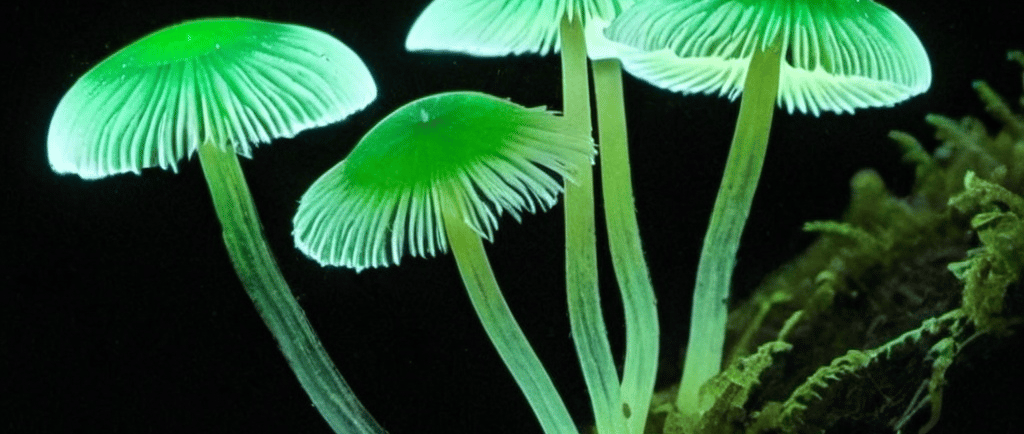
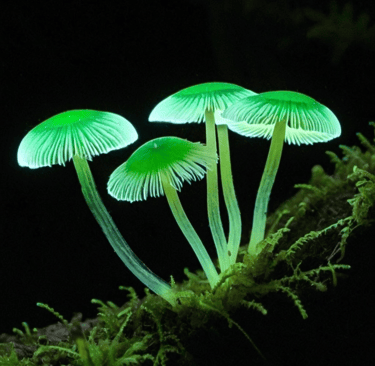
Bioluminescent fungi are among nature’s most captivating organisms, illuminating forest floors and rotting wood with an eerie, otherworldly glow. While more than 100 species of fungi are known to produce light, only a handful are well-documented. Their glow serves various ecological functions, from attracting insects for spore dispersal to deterring predators. In this post, we explore three fascinating bioluminescent fungi—one well-known species and two rarer ones that stand out for their unique traits. 1. The Common Glow: Armillaria mellea (Honey Fungus) Among the most widely recognized bioluminescent fungi, Armillaria mellea, or honey fungus, is a widespread plant pathogen found in forests worldwide. Its glow, primarily emitted from the mycelium rather than the fruiting body, is often seen in decomposing wood. The light is a result of luciferin oxidation, a process similar to that seen in fireflies. While A. mellea is better known for its role in forest ecosystems—breaking down wood and sometimes damaging trees—its ghostly glow has inspired folklore for centuries. 2. A Rare Marvel: Mycena luxaeterna Discovered in the Brazilian Atlantic Forest, Mycena luxaeterna is a lesser-known but strikingly beautiful bioluminescent mushroom. Unlike Armillaria, this species glows from its gills, emitting a constant green light in humid conditions. The name “luxaeterna” means “eternal light,” referencing its seemingly endless glow. This fungus thrives in remote rainforest habitats, where it plays a vital role in decomposing organic matter and contributing to nutrient cycling. 3. The Brightest Glow: Neonothopanus gardneri Perhaps the most intense bioluminescent fungus known, Neonothopanus gardneri is found in Brazil and stands out for its large, glowing fruiting bodies. This rare species is often called the "Ghost Fungus of the Rainforest" due to its ability to light up the forest floor with an almost unnatural green luminescence. Scientists believe the glow acts as a lure for nocturnal insects, aiding in spore dispersal. Unlike many other glowing fungi, N. gardneri emits a light bright enough to be visible from a distance, making it one of the most stunning natural light sources in the fungal world. The Science Behind the Glow Bioluminescence in fungi results from an enzymatic reaction involving luciferin, luciferase, and oxygen. When luciferin is oxidized in the presence of luciferase, it produces energy in the form of visible light. This process occurs continuously, giving bioluminescent fungi their signature glow without requiring external activation. Bringing the Glow to Modern Applications While these fungi have evolved bioluminescence for survival, their natural glow has inspired scientific advancements in plant biotechnology. By understanding and applying their genetic pathways, researchers—including us—have been able to transfer these properties to plants, creating a new frontier in functional, living light sources. From the mysterious glow of the honey fungus to the rainforest’s radiant Neonothopanus, nature’s bioluminescent fungi continue to intrigue scientists and nature lovers alike. Their light may be fleeting in the wild, but their influence on modern science and biotechnology is only beginning.