Beyond the Glow: The Environmental Potential of Bioluminescent Plants
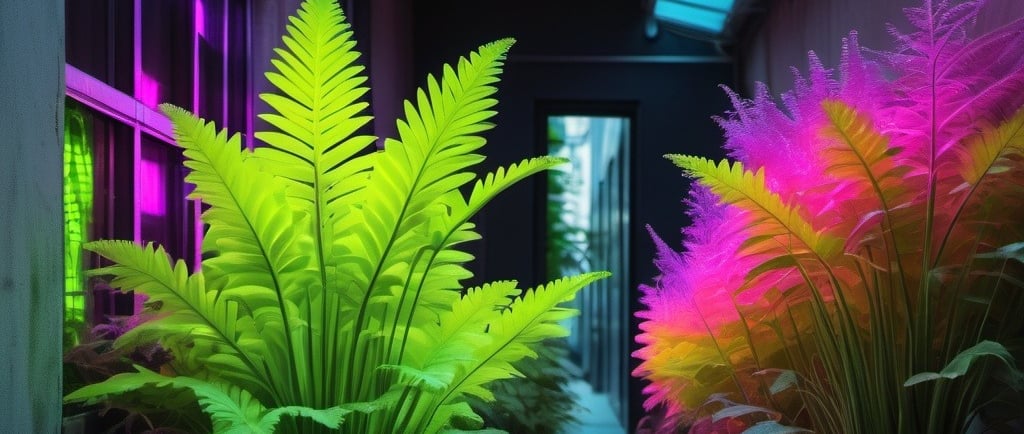
In a world where artificial light is both a necessity and an environmental burden, the concept of self-illuminating plants presents a radical, almost poetic alternative. Streetlights that grow instead of being installed, gardens that softly glow under the night sky, homes subtly illuminated by the leaves of their own flora—what seems like science fiction today may, in time, become an elegant solution to some of our most pressing environmental challenges. Bioluminescent plants are more than just decorative novelties. They challenge our dependence on electric lighting, reduce our carbon footprint, and offer a glimpse into a future where the natural world doesn’t just coexist with human technology—it becomes part of it. But how far can this idea truly go? Can plants replace artificial lights in meaningful ways? And what hurdles remain before this vision becomes a widespread reality? The Heavy Cost of Artificial Light Electric lighting is among the most underestimated environmental burdens of modern civilization. The global lighting industry accounts for approximately 20% of the world’s electricity consumption, much of it fueled by fossil energy sources. Each glowing bulb, each flickering streetlamp, and each neon sign contributes to a cumulative demand that drains resources and drives emissions. Then there’s light pollution—a problem that doesn’t just affect city skylines but entire ecosystems. Nocturnal wildlife is particularly vulnerable. Insects, birds, and even mammals rely on the natural rhythms of darkness and light to guide their behavior. Artificial illumination disrupts migration patterns, feeding habits, and reproduction cycles, throwing entire ecosystems into chaos. It isn’t just animals that suffer. Humans, too, are affected. Exposure to artificial light at night has been linked to sleep disturbances, circadian rhythm disorders, and even increased risks of certain diseases. The omnipresence of artificial lighting in urban environments has fundamentally altered the way we interact with night itself—turning it from a time of rest and mystery into a realm of harsh, synthetic brightness. Bioluminescent plants, in contrast, offer a form of illumination that is gentler, organic, and self-sustaining—a living light that integrates seamlessly into natural environments rather than disrupting them. How Glowing Plants Could Redefine Sustainability The idea of using plants for illumination isn’t just about aesthetics; it’s about rethinking our entire approach to lighting. Unlike LEDs, fluorescent bulbs, or even so-called “eco-friendly” lighting solutions, bioluminescent plants require no external power source. They don’t need to be plugged in, don’t demand periodic battery replacements, and don’t generate toxic waste when they reach the end of their life cycle. Imagine a world where bioluminescent street trees guide pedestrians at night, eliminating the need for excessive artificial lighting. Picture glowing crops, subtly illuminating fields after sunset, reducing the need for high-energy farm lighting while providing a breathtaking view of undulating, softly glowing landscapes. Even in indoor spaces, bioluminescent plants could replace low-level ambient lighting, reducing reliance on artificial sources during nighttime hours. Bedrooms, bathrooms, offices, and even public spaces could integrate plants that offer just enough light to navigate without contributing to energy consumption. But there’s a deeper philosophical shift at play here, too. Our relationship with nature has long been defined by control—we bend it to our will, modifying and extracting resources for our convenience. Bioluminescent plants suggest a collaborative approach instead. Instead of overpowering nature, we enhance and harness its abilities, working with biological systems rather than against them. The Roadblocks: What’s Holding This Future Back? For all the promise that glowing plants hold, there are still significant scientific and logistical challenges to overcome before they can become widespread replacements for artificial lighting. First, there’s brightness. While bioluminescent fungi and marine organisms have been glowing for millions of years, their light output remains relatively low compared to modern artificial lights. The plants we’ve engineered are significantly brighter than their natural fungal counterparts, but they are not yet capable of replacing high-intensity streetlights or indoor lamps. Researchers are actively working on increasing their glow, but biological systems have limitations—too much energy devoted to luminescence could come at the cost of the plant’s own health and growth. Another challenge is durability. Unlike light bulbs, plants are living organisms that require care. Watering, nutrients, and environmental conditions all influence their glow. If they are to become viable alternatives to artificial lighting, they must be designed to thrive in diverse environments with minimal maintenance. Then there’s public perception. While the idea of glowing plants is captivating, large-scale genetic modification remains controversial. Bioluminescent plants represent a form of biotechnology that some may view as unnatural, despite their undeniable environmental benefits. Overcoming skepticism and demonstrating their safety and long-term viability will be crucial in gaining widespread acceptance. But the most significant hurdle of all may be infrastructure and adoption. Our cities, homes, and entire ways of life are built around artificial lighting. The transition to a world where light grows instead of being manufactured is not something that will happen overnight. It requires a shift not just in technology, but in mindset—a willingness to embrace new forms of living light and reimagine the way we illuminate the spaces we inhabit. A Future Worth Illuminating Despite these challenges, the movement toward bioluminescent plants as a viable, sustainable lighting alternative is gaining momentum. The very fact that such a possibility exists—that we can engineer plants capable of glowing without external input—represents a profound step forward in our relationship with the natural world. We may not yet be at the stage where entire cities are lit by glowing trees, but the seeds of this future are being planted now. The first wave of bioluminescent plants, including those available today, is a glimpse of what’s possible. As research advances and technology refines itself, the potential for natural illumination will only expand. Perhaps the greatest promise of bioluminescent plants is not just their ability to light up spaces, but their ability to light up imaginations. They force us to think beyond conventional solutions, to question the rigid barriers we’ve placed between technology and nature, and to dream of a world where the two are seamlessly intertwined. Because in the end, light has always been more than just a tool—it is a symbol of possibility, of innovation, of life itself. And when that light comes from something living, something growing, something connected to the very fabric of nature, it transforms not just our environments, but our way of seeing the world. The glow is just the beginning.